What fermentation shows us about ourselves
We sat down with Professor Tim Spector, professor of epidemiology at King's College London and co-founder of Zoe, to talk about the gut microbiome, why fermented foods matter, and where kombucha fits in.
11th June 2026Tim Spector is a medical doctor, a professor of epidemiology at King's College London, and co-founder of Zoe. He is also one of the leading voices bringing gut health into everyday conversation.
We spent a morning with him at his home, talking about fermentation and the part it plays in what we eat. One idea stayed with us long after we left: that, in many ways, all life is fermentation. Tim describes our guts as working almost like small pharmacies, with the microbes inside shaping everything from immunity and metabolism to the brain.
For us it was a chance to talk more deeply about where kombucha sits in all of this. Here is what Tim had to say.


Professor of epidemiology, King's College London, and co-founder of Zoe
I'm Tim Spector. I'm a professor of epidemiology at King's College London and co-founder of Zoe.
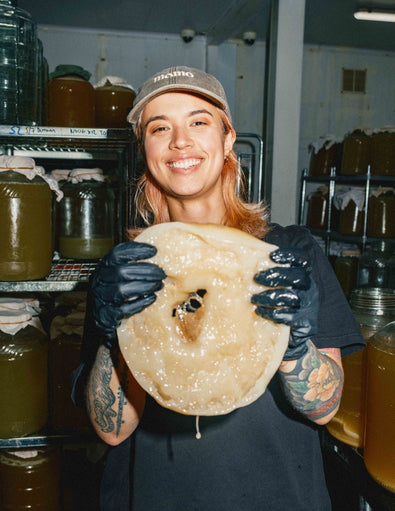
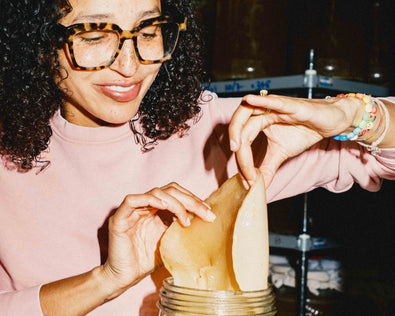
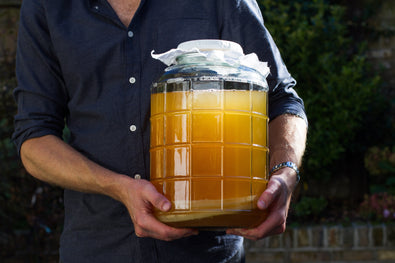
What I love about fermentation is that it's showing really on the outside what's happening to you on the inside. It's so hard to visualise your own gut microbiome, how that's dealing with food. But if you take a ferment, a kombucha, and you put the mother in, you add some tea and some sugar, you can see in real time what's going on inside all of our bodies all the time.
So our gut microbes need to be thought of as pharmacies. The chemicals they produce have effects all over our body.
They impact our immune system, which is key for ageing and cancer and fighting disease. They influence our metabolism, so controlling our weight and our chances of getting diabetes. And they also control our brain through our nervous system, having a big influence on things like mental disorders and dementia.
So our gut health is very important.
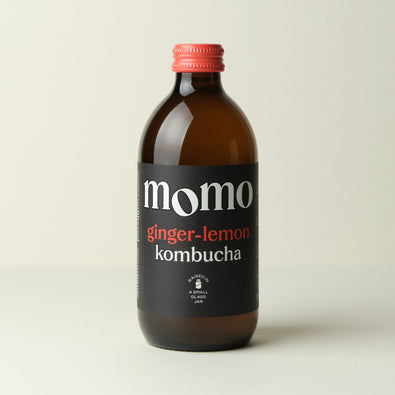
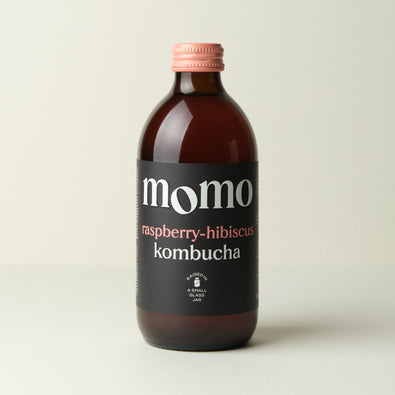
In my book, there's a lot of research telling us that we should be having lots of different types of fermented foods regularly. Drinks like kombucha play a vital part in that, because we know that kombuchas contain over 20 different species of microbe, which is a really great way to make sure you're getting all the good probiotics.
It's a perfect example of how we can understand our bodies by looking at how these foods are fermented.
I think everybody should learn, and teach their kids, how to do it. Fermentation is a great example for life.


It was a fascinating morning, and a reminder of how much there still is to learn about what goes on inside us.
If you haven't already read Tim's book, Ferment, we couldn't recommend it more. It is a genuinely accessible guide to gut health, now available in paperback from all good book shops.
Kombucha, unfiltered.
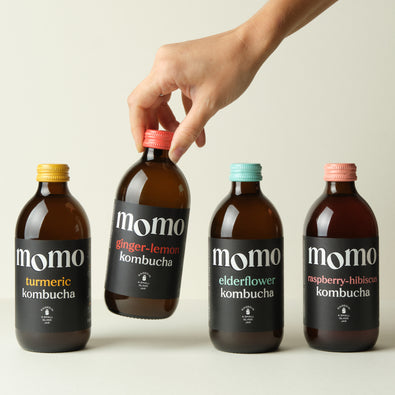
We brew our kombucha the old fashioned way, in small glass jars.





Discover more blog articles

When we met Franco, founder of Natoora

We found a way to make better kombucha

The Brewery Move - Live

Happiness really does start in the gut

We're making a huge move

How to make Elderflower Kombucha… MOMO style

Natoora: Our Seasonal Ingredient Partner

The craft of Zerbinati’s Watermelons
SCOBY or pellicle: What's the difference?

Inside Carmelo's Sicilian citrus groves

Into the Rhubarb Triangle, with the Tomlinsons
Healthier, more connected lives.
Does kombucha contain caffeine? It depends.
What are the benefits of kombucha?
Is kombucha alcoholic? How much does it contain?
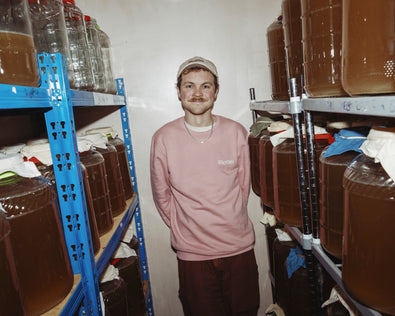
A day in the life of our Head Brewer
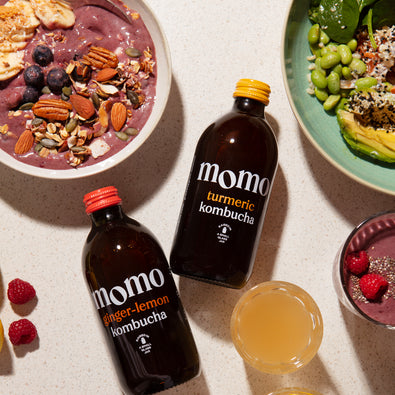
Why MOMO is organic (and why that's important)

Why we're B Corp and what it means
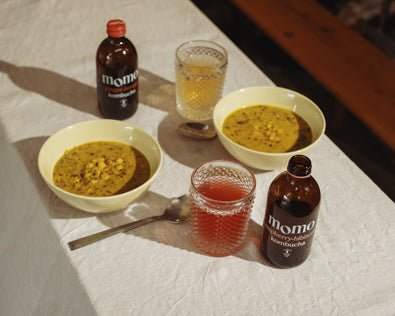
Exploring the distinction between chilled and ambient kombucha
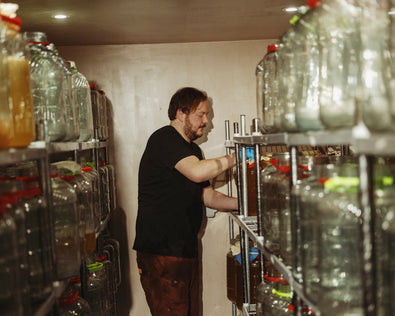
A deep dive into the Y in SCOBY
Spotlight: SCOBY and Bacteria
Recipe: Elderflower Crème Fraiche
Spotlight: Sourcing – organic ingredients
What is kombucha?